

Insurance Planning Remains a Key Consideration for Homeowners in the New Orleans Metro Area
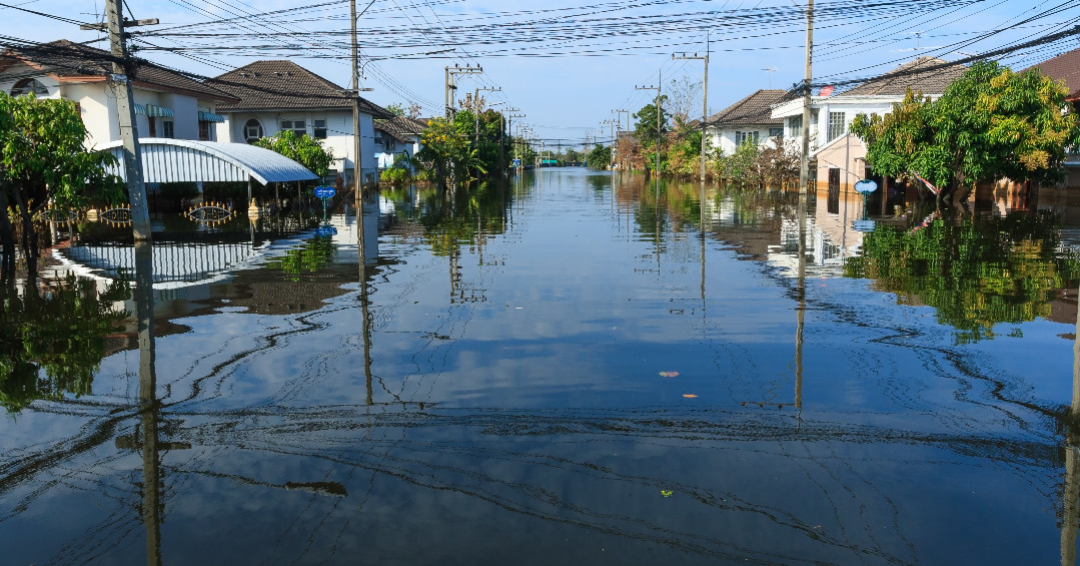

Flood insurance remains one of the most frequently misunderstood components of property protection in Southeast Louisiana”
METAIRIE, LA, UNITED STATES, February 27, 2026 /EINPresswire.com/ -- Homeownership in the New Orleans metro area carries unique opportunities and responsibilities, particularly when it comes to property insurance planning. From coastal weather patterns to flood risk zones and evolving construction standards, insurance considerations remain a central part of long-term financial stability for residents throughout Southeast Louisiana.— Dan Burghardt
The Gulf South presents environmental factors that differ significantly from many other regions of the country. Hurricanes, tropical storms, heavy rainfall, and occasional tornado activity create risk exposures that influence policy structures, deductibles, and coverage limits. For homeowners in parishes such as Orleans, Jefferson, St. Bernard, and St. Tammany, understanding these exposures plays an essential role in selecting appropriate insurance coverage.
Standard homeowners insurance policies generally provide protection for dwelling structures, personal property, liability, and additional living expenses if a home becomes temporarily uninhabitable due to a covered loss. However, flood damage is typically excluded from standard homeowners policies. Separate flood insurance policies are often necessary, particularly in areas designated as high-risk flood zones.
“Flood insurance remains one of the most frequently misunderstood components of property protection in Southeast Louisiana,” said Dan Burghardt, owner of Dan Burghardt Insurance. “Standard homeowners coverage does not automatically include flood damage, and homeowners should review flood risk designations carefully when evaluating overall protection.”
Elevation certificates, updated flood maps, and revised building codes have influenced insurance premiums and eligibility in recent years. Changes in federal flood insurance rating systems have also affected how risk is assessed. Property elevation, foundation type, proximity to water, and historical claims data all factor into premium calculations.
Wind and hail coverage represent additional considerations for homeowners in the region. Named storm deductibles may apply separately from standard policy deductibles. These deductibles are often calculated as a percentage of the dwelling coverage limit rather than a flat dollar amount. Understanding how percentage-based deductibles function is critical when evaluating potential out-of-pocket expenses following a major weather event.
Home construction materials and mitigation features can influence policy terms. Roof age, roof type, window protection systems, and reinforced structural elements may affect underwriting decisions. Insurers frequently review inspection reports and loss history when determining policy eligibility and pricing.
Burghardt emphasized the importance of periodic policy reviews. “Property values, building costs, and risk factors evolve over time,” Burghardt said. “Regular reviews help ensure that coverage limits reflect current replacement costs rather than outdated estimates.”
Replacement cost coverage differs from actual cash value coverage. Replacement cost typically covers the expense of rebuilding or repairing a home without deducting for depreciation, subject to policy limits. Actual cash value policies account for depreciation, which can reduce payout amounts. Homeowners benefit from understanding how each valuation method affects potential claims outcomes.
Personal property coverage limits also warrant attention. High-value items such as jewelry, artwork, firearms, and collectibles may require scheduled endorsements or additional riders. Standard policy limits may not fully cover these items without supplemental protection.
Liability coverage is another component of homeowners insurance that extends beyond physical damage to the dwelling. Liability protection may apply if an injury occurs on the property or if accidental damage is caused to another party. Coverage limits should reflect potential legal exposure in the event of a claim.
Homeowners in areas including Metairie, Kenner, Gretna, St. Bernard, Slidell, Mandeville, and Covington often encounter varying flood zone classifications even within short geographic distances. Baton Rouge, Hammond, Houma, Thibodaux, LaPlace, Lake Charles, Bossier City, Central, Lafayette, Monroe, Shreveport, and Alexandria each present distinct regional factors that influence policy structures and underwriting requirements.
Mortgage lenders frequently require homeowners insurance as a condition of financing. In designated flood zones, lenders may also require flood insurance coverage for the duration of the loan. Compliance with lender requirements does not necessarily equate to comprehensive risk protection, making independent evaluation of policy details important.
Claims processes can be influenced by documentation practices. Maintaining updated inventories of personal property, retaining receipts for major purchases, and photographing structural features can support smoother claim resolution if losses occur. Organized documentation reduces uncertainty during stressful post-disaster periods.
After four decades in operation, Dan Burghardt Insurance has expanded licensing to both Louisiana and Mississippi, with a strong presence in metropolitan New Orleans and throughout the Gulf South. Geographic familiarity with local risk patterns informs policy evaluation and underwriting guidance.
Insurance markets in coastal states continue to adapt to shifting environmental data and actuarial modeling. Carrier participation, reinsurance costs, and regulatory adjustments influence availability and premium structures. Homeowners are encouraged to monitor policy changes and remain informed about renewal terms.
“Insurance planning in this region requires attention to detail and awareness of changing conditions,” Burghardt said. “Homeowners benefit from reviewing policy structures in light of evolving risks rather than relying solely on initial purchase decisions.”
As climate patterns, construction costs, and regulatory frameworks evolve, property insurance remains an essential component of homeownership in the New Orleans metro area. Careful evaluation of flood exposure, wind deductibles, replacement cost limits, liability coverage, and personal property endorsements contributes to comprehensive risk management.
For homeowners throughout Louisiana and Mississippi, informed policy review supports long-term financial resilience and preparedness in a region shaped by both opportunity and environmental complexity.
Morgan Thomas
Rhino Digital, LLC
+1 504-875-5036
email us here
Visit us on social media:
Facebook
Legal Disclaimer:
EIN Presswire provides this news content "as is" without warranty of any kind. We do not accept any responsibility or liability for the accuracy, content, images, videos, licenses, completeness, legality, or reliability of the information contained in this article. If you have any complaints or copyright issues related to this article, kindly contact the author above.
