

Digital Habits and Attention Challenges: Understanding the Connection in Modern Life
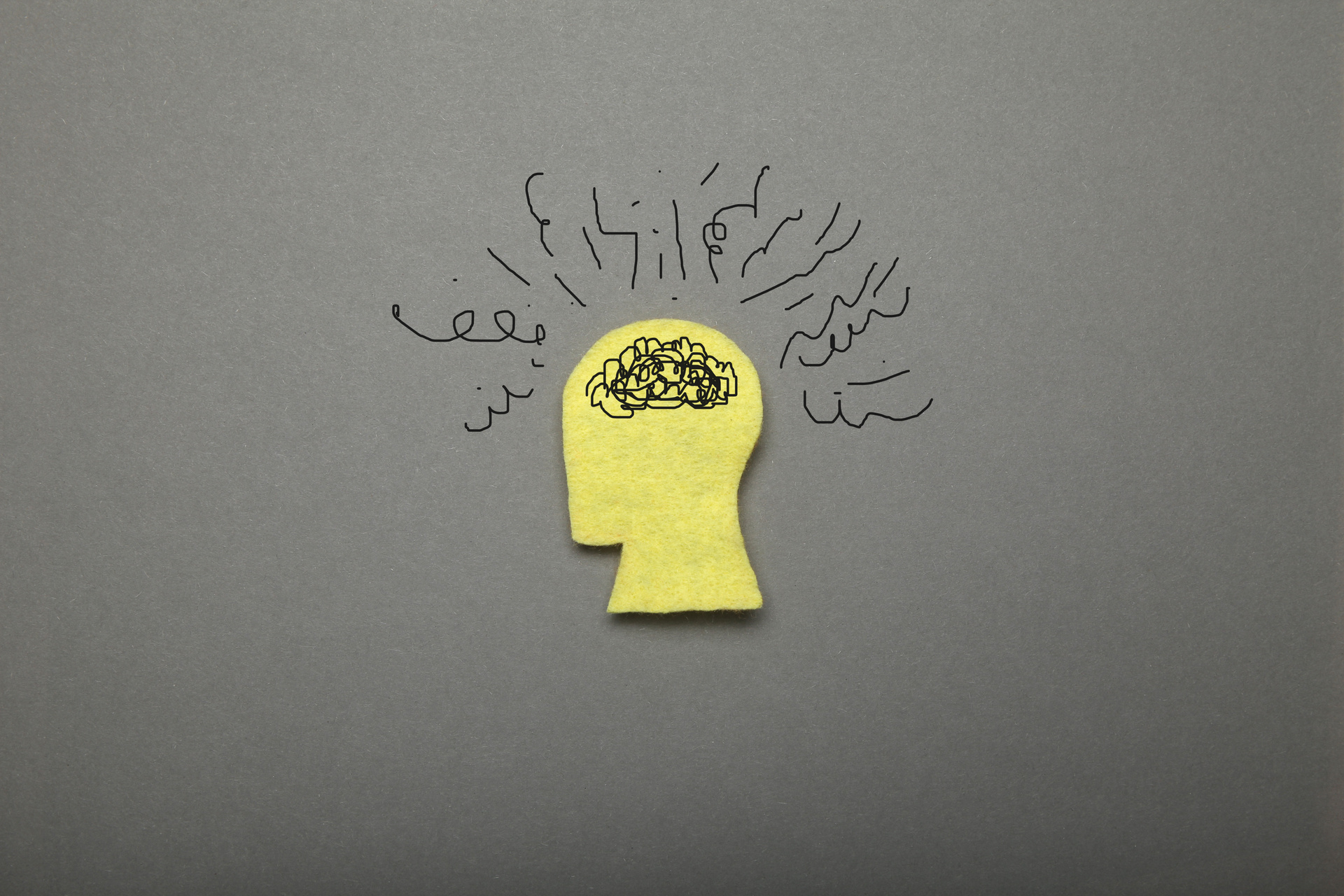

Digital habits do not create attention challenges in isolation, but they can significantly amplify existing vulnerabilities”
GULFPORT, LA, UNITED STATES, January 23, 2026 /EINPresswire.com/ -- Daily life now unfolds behind screens more than at any point in history. Smartphones, tablets, laptops, and televisions shape how information is consumed, how work is performed, and how relationships are maintained. While digital technology provides undeniable convenience, emerging research and clinical observation continue to show that constant screen exposure may intensify attention-related challenges for many individuals.— Dr. Stanford Owen
Attention functions as a cognitive system designed to filter information, prioritize tasks, and sustain focus. Digital environments, however, are built to compete for attention rather than support it. Notifications, alerts, scrolling content, and algorithm-driven recommendations encourage rapid switching between stimuli. Over time, this pattern can weaken the brain’s ability to remain engaged with a single task.
Short-form content plays a significant role in this shift. Videos, posts, and messages are designed for quick consumption and immediate reward. This structure trains the brain to expect constant novelty. When novelty becomes the norm, sustained concentration begins to feel uncomfortable or unrewarding.
Multitasking further complicates the issue. Many individuals attempt to work, communicate, and consume media simultaneously. While multitasking may feel productive, neurological research consistently shows that task-switching reduces efficiency and increases mental fatigue. The brain does not truly perform tasks in parallel. It rapidly shifts between them, sacrificing depth for speed.
Sleep disruption represents another contributing factor. Screen exposure, particularly in the evening, interferes with circadian rhythms and melatonin production. Reduced sleep quality directly impacts attention, memory, and emotional regulation the following day. Over time, chronic sleep disruption compounds cognitive strain.
Children and adolescents face additional vulnerability. Developing brains are highly responsive to environmental patterns. Excessive screen engagement during formative years can shape attention regulation habits that persist into adulthood. Educational settings increasingly report challenges with sustained classroom focus, task persistence, and impulse control.
Adults are not immune. Workplace demands often encourage constant connectivity. Emails, messages, and notifications interrupt workflow throughout the day. This environment reinforces fragmented attention patterns, even in individuals with no prior history of attention difficulty.
“Digital habits do not create attention challenges in isolation, but they can significantly amplify existing vulnerabilities,” said Dr. Stanford Owen, owner of ADD Clinics in Gulfport, Mississippi. “The brain adapts to the environment it operates in, and modern environments are built around interruption.”
Emotional regulation also intersects with attention. Digital platforms frequently stimulate comparison, urgency, and emotional response. These experiences place additional cognitive demand on the brain, reducing capacity for focused processing.
Another overlooked factor is passive consumption. Endless scrolling reduces intentional engagement. The brain receives information without requiring effort, decision-making, or sustained reasoning. Over time, this can weaken cognitive endurance.
Physical activity levels also decline with increased screen time. Movement supports blood flow, neurotransmitter balance, and overall brain health. Sedentary digital habits remove these protective influences.
Attention challenges often present subtly at first. Tasks take longer. Distractions increase. Motivation declines. Many individuals attribute these changes to stress or aging without recognizing environmental contributors.
Clinical evaluation increasingly considers digital behavior as part of attention assessment. Screen usage patterns provide valuable insight into cognitive strain, impulse control, and reward sensitivity.
“Attention is not only a neurological function, but also a behavioral pattern shaped by daily habits,” Owen said. “Understanding that relationship allows more effective guidance and support.”
Digital habits also influence emotional well-being. Constant information exposure increases mental noise. The brain remains in a state of alertness rather than reflection. This condition reduces cognitive recovery and increases irritability.
Social interaction has also shifted. Face-to-face communication offers cues that strengthen attention, empathy, and processing speed. Digital communication often removes those cues, requiring less cognitive engagement.
Addressing digital impact does not require eliminating technology. Balance remains the goal. Structured screen boundaries, scheduled breaks, and intentional content choices support healthier attention patterns.
Environmental design also matters. Notification management, focused work periods, and reduced multitasking improve cognitive stability. These adjustments support attention without requiring radical lifestyle change.
Education about digital influence continues to grow. Awareness allows individuals to recognize patterns rather than assume personal failure. Attention challenges often reflect environmental overload rather than lack of effort.
Families benefit from shared digital guidelines. Consistent routines support both children and adults. Modeling focused behavior reinforces healthy habits across generations.
Work environments can also adapt. Task batching, meeting discipline, and notification control improve productivity while reducing cognitive fatigue.
“Attention responds to structure,” Owen said. “When structure returns, clarity often follows.”
Medical professionals increasingly integrate digital habit evaluation into broader attention care strategies. This approach reflects the understanding that attention exists within lifestyle, not separate from it.
As technology continues to advance, awareness becomes essential. Screens will remain part of daily life. The question becomes how intentionally they are used.
Digital habits shape attention not through single moments, but through repetition. Small daily patterns create long-term cognitive impact.
Understanding this relationship empowers individuals to make informed adjustments. Attention does not disappear suddenly. It shifts gradually in response to environment.
The modern world offers remarkable access to information. Preserving attention within that world requires thoughtful boundaries, informed choices, and ongoing awareness.
In recognizing how digital habits influence focus, society gains an opportunity to protect one of its most valuable cognitive resources. Attention remains the foundation of learning, productivity, and emotional balance.
Morgan Thomas
Rhino Digital, LLC
+1 504-875-5036
email us here
Visit us on social media:
Facebook
Legal Disclaimer:
EIN Presswire provides this news content "as is" without warranty of any kind. We do not accept any responsibility or liability for the accuracy, content, images, videos, licenses, completeness, legality, or reliability of the information contained in this article. If you have any complaints or copyright issues related to this article, kindly contact the author above.
